
Stadiums
UEFA Club Cup Finals 2025-2027: Unveiling the Majestic Venues


UEFA has officially announced the venues for the Club Cup finals from 2025 to 2027, showcasing a mix of renowned and modern stadiums across Europe. This post highlights the selected stadiums for the Champions League, Europa League, and Conference League finals.
Let’s dive into the details and explore the arenas that will host these monumental matches.
2025 UEFA Conference League Final: Stadion Wrocław

Capacity: 42,717
The 2025 Conference League final will be held at Stadion Wrocław in Wroclaw, Poland. An impressive venue hosting three matches as Poland co-hosted UEFA EURO 2012 with neighbours Ukraine. With a capacity of 42,717, this stadium promises an electrifying atmosphere for fans and players alike.
2026 UEFA Conference League Final: Red Bull Arena
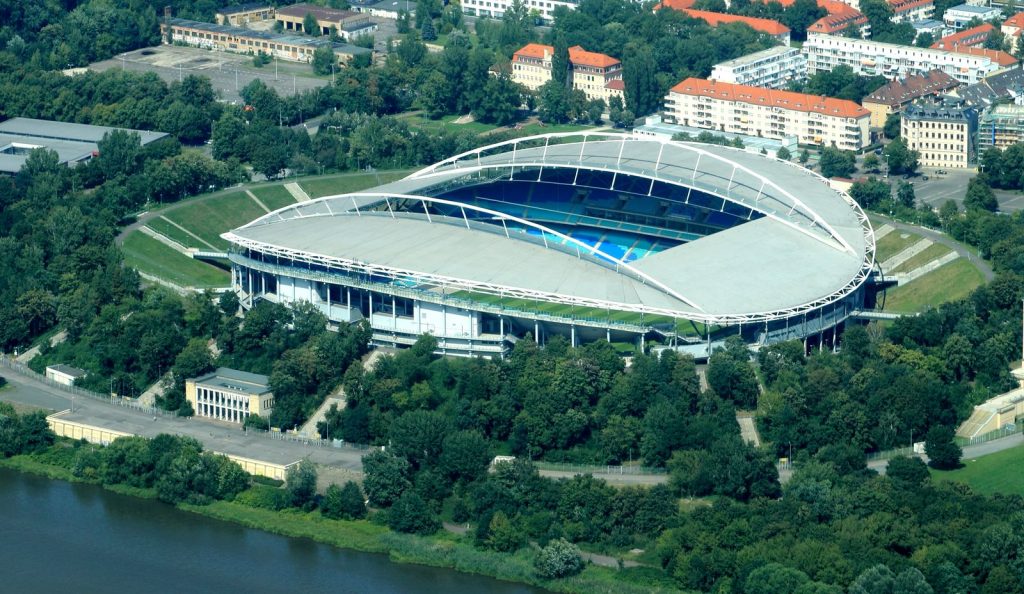
Capacity: 40,000
The 2026 Conference League final will take place at the Red Bull Arena in Leipzig. A newcomer to European finals, this stadium has previously hosted major international matches and World Cup games. Its modern facilities and passionate local support make it an exciting venue for the competition’s climax.
2027 UEFA Conference League Final: Atatürk Olympic Stadium

Capacity: 42,590
In 2027, Istanbul’s Atatürk Olympic Stadium will again host a UEFA final, this time for the Conference League. The venue, integrated beautifully into a historical setting near Dolmabahçe Palace.
2025 UEFA Europa League Final: San Mamés

Capacity: 53,331
San Mamés in Bilbao, often referred to as one of Europe’s most beautiful stadiums, will host the 2025 Europa League final. Opened in 2013, it stands on the site of its historic predecessor and features a newly added roof ring to ensure fans stay dry, barring celebrations involving champagne.
2026 UEFA Europa League Final: Beşiktaş Stadium

Capacity: 42,590
Returning to Istanbul, Beşiktaş Stadium will host the 2026 Europa League final. Known for the 2019 UEFA Super Cup where Liverpool defeated Chelsea, this stadium is strategically located near the Bosphorus Strait, offering both football thrills and scenic beauty. Fans can also indulge in the local Turkish cuisine, adding to the overall experience.
2027 UEFA Europa League Final: Waldstadion
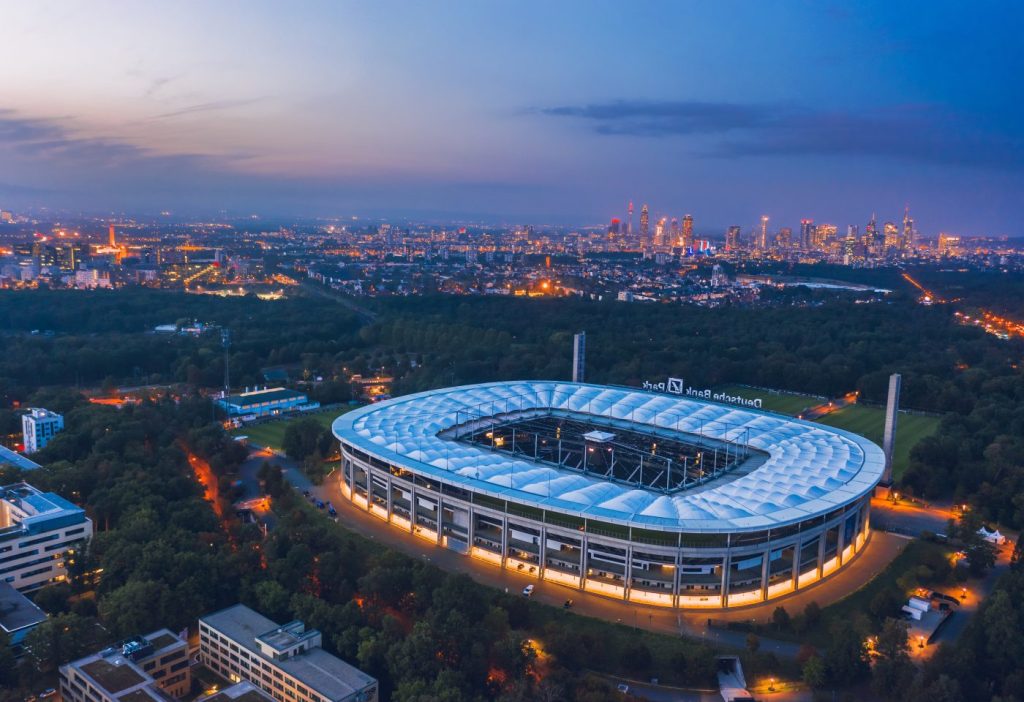
Capacity: 58,000
The stadium opened in 1925 and has undergone numerous renovations and upgrades, latest Redevelopment completed in 2023 increased the capacity to 58,000 spectators. In the past the venue has hosted World Cup matches in 1974 and 2006 the arena also selected to host Euro 2024. The stadium stands among the trees hence its original name Waldstadion, means Forest Stadium
2025 UEFA Champions League Final: Allianz Arena
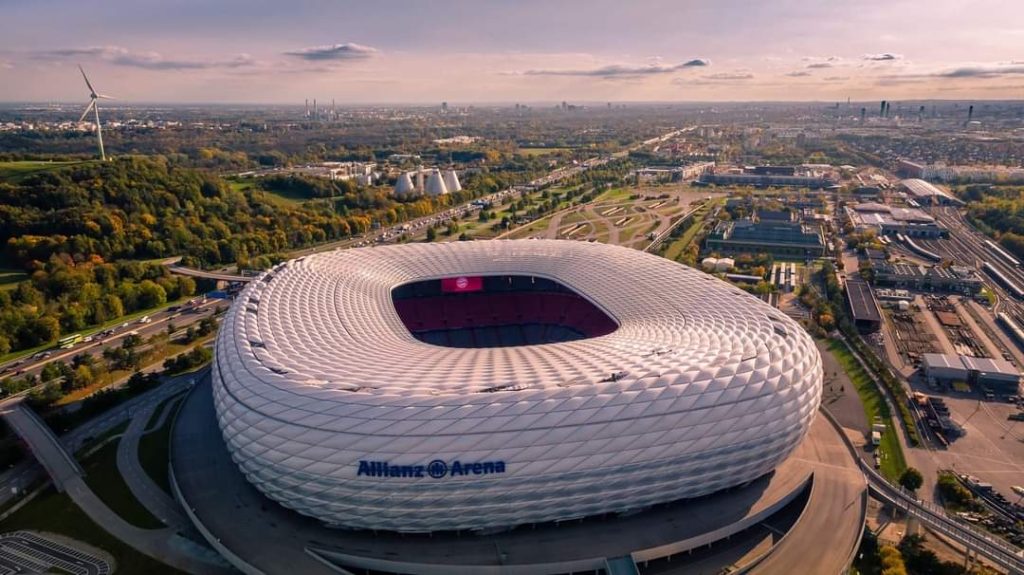
Capacity: 67,218
Munich’s Allianz Arena, one of the most recognizable stadiums in the world, will host the 2025 Champions League final. Known for its striking façade made of 3,000 airfoil panels, this stadium can change colors and is a marvel of modern architecture. It’s the third-largest stadium in Germany and promises a grand stage for Europe’s top football event.
2026 UEFA Champions League Final: Puskás Aréna
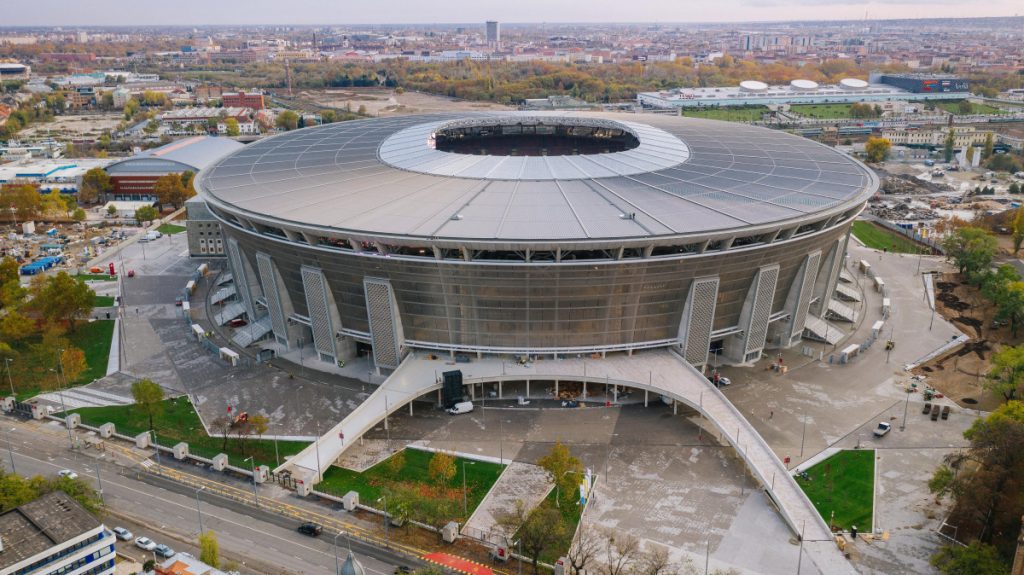
Capacity: 67,215
Hungary’s Puskás Aréna in Budapest will be the stage for the 2026 Champions League final. As the largest venue in Central Europe, it boasts a strong football heritage and excellent connectivity, making it accessible for fans traveling from across Europe. The stadium meets the highest infrastructural standards required for such a prestigious event.
2026 UEFA Champions League Final: San Siro

Capacity: 75816
The iconic San Siro stadium is expected to host Champions League final but this is not 100% certain at this point. A decision will be made when plans for the redevelopment of the venue will be presented. The decision will determine whether the Champions League final will be held in Milan after a gap of 11 years. Back then the Champions League was one sensationally by Real Madrid sensational because Los Blancos won the cup only after a penalty shootout.

The stage is set for the FIFA Club World Cup 2025, a tournament that will bring together 32 of the top club teams from around the world. As these elite teams from six continental confederations prepare to descend on the United States, the 12 stadiums that will host the matches have been confirmed. A total of 63 matches will take place in these iconic venues, with the grand final scheduled for Sunday, July 13, 2025 at MetLife Stadium.
The 2025 Club World Cup will serve as a precursor to the highly anticipated 2026 FIFA World Cup, which the United States, Canada, and Mexico will co-host.
This highly anticipated competition will run concurrently with the CONCACAF Gold Cup, adding to the excitement of a summer packed with world-class football action.
Here are details about 12 stadiums that will host FIFA Club World Cup 2025.
1. Mercedes-Benz Stadium

City: Atlanta, Georgia
Capacity: 71,000
Home to both Atlanta United (MLS) and the NFL’s Atlanta Falcons, the Mercedes-Benz. Stadium is known for its retractable roof and 360° Halo video display. This venue will host eight FIFA World Cup 2026 fixtures, including a semi-final.
2. Bank of America Stadium

City: Charlotte, North Carolina
Capacity: 70,000
Since Charlotte FC’s debut in MLS in 2022, the Bank of America Stadium has become a hotspot for soccer. Drawing crowds of over 70,000, it has hosted international friendlies, CONCACAF Gold Cup fixtures, and two knockout games during the 2024 Copa America. Its versatility in accommodating soccer matches alongside its NFL duties makes it a key venue for the Club World Cup.
3. TQL Stadium
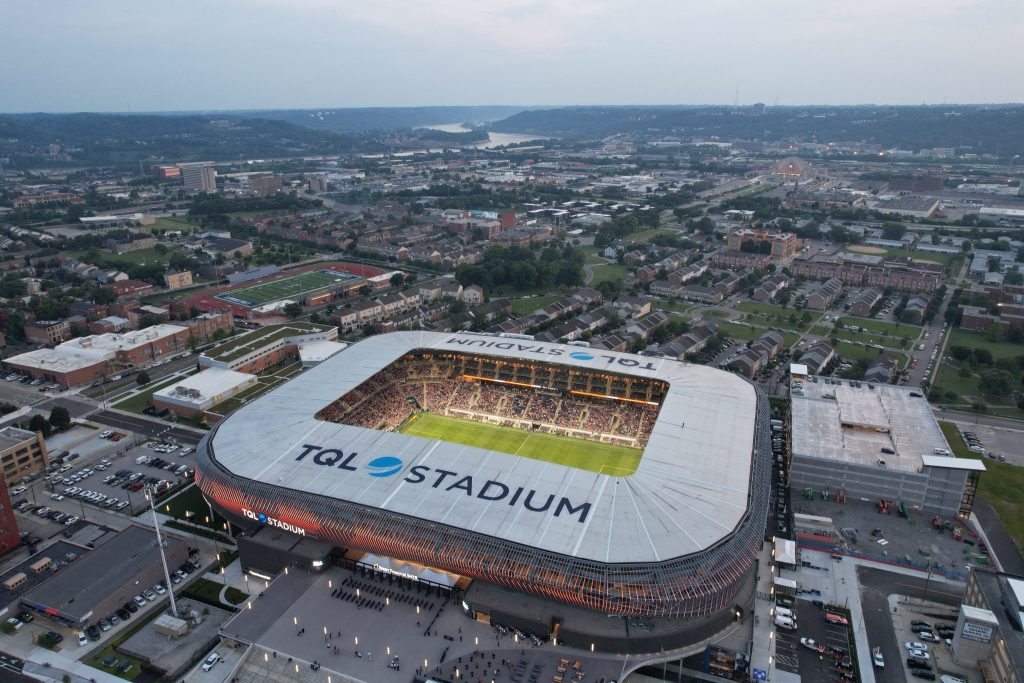
City: Cincinnati, Ohio
Capacity: 26,000
Despite being one of the newest stadiums on the list, the TQL Stadium has quickly built a reputation for hosting exciting matches. USMNT’s first visit to the venue came in November 2021 when they recorded an impressive 2-0 victory over Mexico in FIFA World Cup qualifying for Qatar 2022.
4. Rose Bowl

City: Pasadena, California
Capacity: 90,000
With over a century of history, the Rose Bowl is one of the most iconic stadiums in the world. The sweeping seating throughout the circular Arena provides an uninterrupted view to the playing field for all spectators. Rose Bowl hosted FIFA World Cup Final in 1994, when Brazil were crown champions for the fourth time in their history for following a dramatic penalty shootout victory over Italy.
5. Hard Rock Stadium
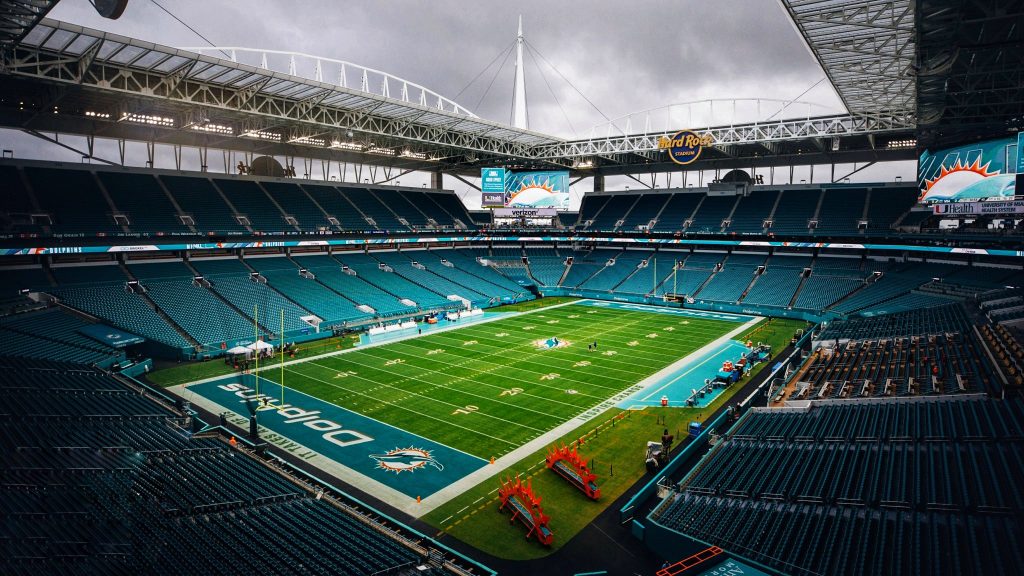
City: Miami, Florida
Capacity: 64,767
Hard Rock Stadium is a vibrant venue for various events, home to the NFL’s Miami Dolphins. It hosts the Formula 1 Miami Grand Prix, Miami Open tennis tournament, University of Miami’s Orange Blossom Classic, the Orange Bowl and Copa America 2024 fiinal. The stadium features the Jazz in the Gardens festival and has hosted six Super Bowls, major concerts, and international soccer matches. It will also be a key venue for the FIFA World Cup 2026, featuring four group stage matches, a round of 32, a quarter final fixture and the 3rd place match.
6. Geodis Park

City: Nashville, Tennessee
Capacity: 30,109
Geodis Park, the newest stadium featured in the FIFA Club World Cup, boasts the title of the largest soccer-specific venue in the US and Canada. Spectators are brought closer to the game, with the most distant seat just 100 feet and 50 inches from the touchline.
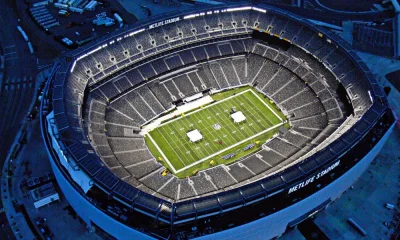
7. MetLife Stadium

City: East Rutherford, New Jersey
Capacity: 82,500
2025 Club World Cup final will be held at MetLife Stadium. This multi-purpose Stadium currently hosts the NFL’s New York Giants and New York Jets as well as the XFL’s New York Guardians. Also hosted the final of the 2016 Copa America Centenario when Chile defeated Lionel Messi’s Argentina on penalties.
8. Camping World Stadium

City: Orlando, Florida
Capacity: 65,000
Camping World Stadium, nearly 90 years old, has undergone several expansions and renovations. The most significant was the 2014 redevelopment, which transformed the venue into a stadium that is 90% new, backed by over $200 million in investment.
9. Inter&Co Stadium

City: Orlando, Florida
Capacity: 25,000
Exploria Stadium is the dedicated soccer venue for MLS team Orlando City and NWSL team Orlando Pride. Both the USMNT and USWNT have played on this field. The men side’s competing in FIFA World Cup qualifiers in 2018 and 2022, while the women side’s appearing during the SheBelieves Cup in 2018, 2020, and 2023.
10. Lincoln Financial Field

City: Philadelphia, Pennsylvania
Capacity: 69,796
Lincoln Financial Field, home to the NFL’s Philadelphia Eagles. The first ticketed event held at Lincoln Financial Field was friendly between Barcelona and Manchester United in August 2003. Patrick Evra proudly scoring the venue’s opening goal.
11. Lumen Field

City: Seattle, Washington
Capacity: 69,000
Seattle is gearing up for the FIFA Club World Cup 2025! The Seattle Sounders qualified by winning the CAF Champions League in 2022. And Lumen Field, with its iconic horseshoe design and stunning skyline views, will host matches. In FIFA World Cup 2026, the stadium will feature 4 group stage matches, including the USA’s second Group D match, a round of 32 clash, and a round of 16 showdown.
12. Audi Field

City: Washington, D.C.
Capacity: 20,000
DC United, the most successful team in MLS history, shares Audi Field with the NWSL’s Washington Spirit. Recently, the USWNT held their final warm-up match for the Paris Olympics at this venue, finishing in a 0-0 draw against Costa Rica. Under the guidance of new coach Emma Hayes, they went on to secure the gold medal. Meanwhile, the US Men’s National Team experienced a mix of results during their initial visits in 2019, suffering a defeat to Jamaica in an International Friendly before bouncing back with an impressive 7-0 victory over Cuba in the CONCACAF Nations League.
Stadiums
2026 World Cup Host Cities & Stadiums – Full Updated List & Details
A total of 16 stadiums will serve as hosts for the 2026 World Cup, which will be jointly held in the United States, Mexico, and Canada.

The 2026 FIFA World Cup is set to be the most expansive tournament in the competition’s history. With matches spread across three countries – the United States, Canada, and Mexico – it promises to be a spectacular event.
The 2026 FIFA World Cup Stadiums will be some of the most modern, iconic, and vibrant stadiums across North America. Each venue will bring its unique atmosphere and charm, creating unforgettable experiences for football fans worldwide.
Overview of the FIFA World Cup 2026
- Total host cities: 16
- Host countries: USA, Canada, Mexico
- Total teams: 48
- Tournament dates: June–July 2026
1. Mercedes-Benz Stadium
City: Atlanta, USA
Capacity: 71,000
Known for its striking architecture and cutting-edge technology, Mercedes-Benz Stadium in Atlanta promises a sensory spectacle for fans. With a retractable roof and a circular, 360-degree video board, this venue is poised to deliver an immersive World Cup experience.
2. Gillette Stadium

City: Boston, USA
Capacity: 65,878
Nestled in the heart of New England, Gillette Stadium in Boston boasts a rich sporting history. Home to the New England Patriots, the stadium’s vibrant atmosphere will elevate the World Cup matches held within its iconic walls.
3. AT&T Stadium

City: Dallas, USA
Capacity: 80,000
Everything is bigger in Texas, and AT&T Stadium in Dallas lives up to that adage. With a seating capacity that rivals small cities, this colossal venue will showcase the world’s best football talent amid state-of-the-art facilities.
4. NRG Stadium

City: Houston, USA
Capacity: 72,220
As the energy capital of the world, Houston’s NRG Stadium is set to be a powerhouse of excitement during the World Cup. Its retractable roof ensures that the unpredictable Texan weather won’t dampen fans’ spirits.
5. Arrowhead Stadium
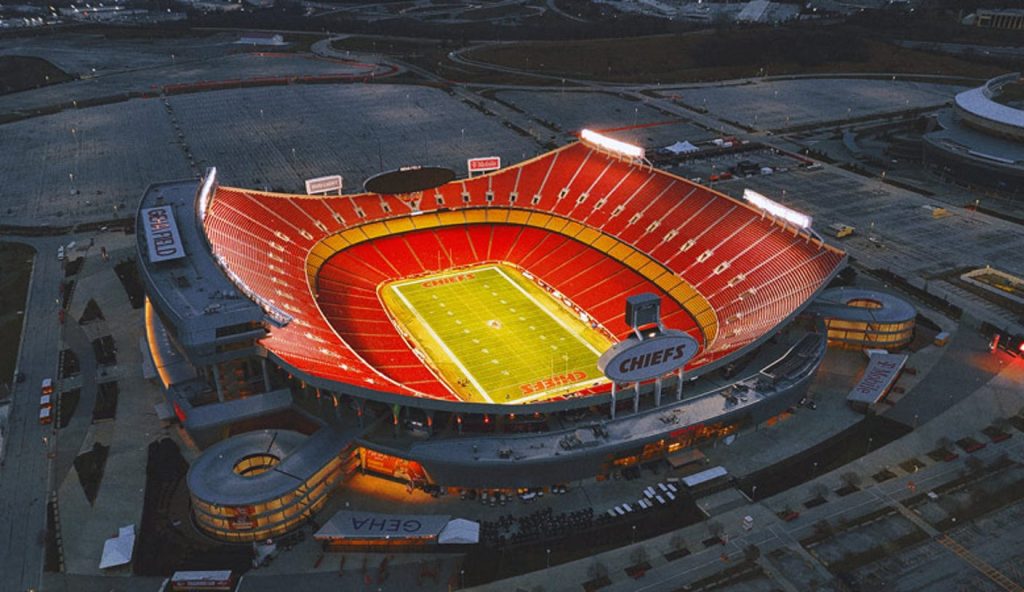
City: Kansas City, USA
Capacity: 76,416
Known for its fervent football culture, Arrowhead Stadium in Kansas City will bring a unique Midwestern charm to the World Cup. The iconic sea of red and passionate supporters are sure to create an unforgettable atmosphere.
6. SoFi Stadium
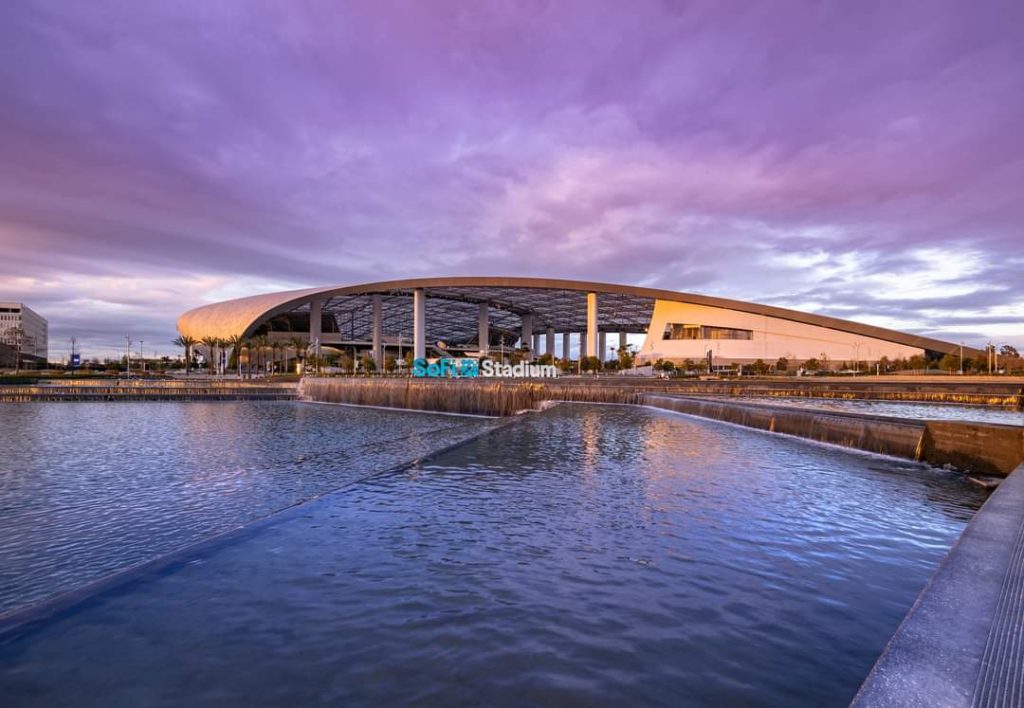
City: Los Angeles, USA
Capacity: 70,240
The epitome of modern stadium design, SoFi Stadium in Los Angeles is a marvel of engineering and aesthetics. With its state-of-the-art amenities, it promises an unparalleled football experience against the backdrop of the City of Angels.
7. Hard Rock Stadium
City: Miami, USA
Capacity: 64,767
Miami’s Hard Rock Stadium, situated in a city renowned for its vibrancy, will be a fusion of football fervor and tropical allure. The venue’s modern facilities and vibrant atmosphere make it an ideal host for World Cup matches.
8. MetLife Stadium
City: New York/New Jersey, USA
Capacity: 82,500
As a symbol of cross-state collaboration, MetLife Stadium in the New York/New Jersey metropolitan area will host key matches. The iconic skyline forms a stunning backdrop to the football drama unfolding on the pitch.
9. Lincoln Financial Field
City: Philadelphia, USA
Capacity: 69,796
With its passionate sports culture, Philadelphia’s Lincoln Financial Field will add an electric atmosphere to the World Cup. The iconic “Linc” is set to become a cauldron of excitement during the tournament.
10. Levi’s Stadium

City: San Francisco, USA
Capacity: 68,500
Nestled in the heart of Silicon Valley, Levi’s Stadium in San Francisco brings a tech-savvy vibe to the World Cup. Its sustainable design and modern amenities will offer a glimpse into the future of sports stadiums.
11. Lumen Field
City: Seattle, USA
Capacity: 69,000
Known for its fervent football culture and the infamous “12th Man,” Lumen Field in Seattle promises a unique and raucous World Cup experience. The stadium’s stunning views of Puget Sound add to its charm.
12. BMO Field

City: Toronto, Canada
Capacity: 30,000 (rising to 45,000 for the tournament)
BMO Field in Toronto brings Canadian hospitality to the World Cup stage. The intimate setting and passionate local crowd will create an atmosphere that resonates with the diverse fabric of the host city.
13. BC Place

City: Vancouver, Canada
Capacity: 54,500
Nestled against the stunning backdrop of the Pacific Northwest, BC Place in Vancouver is an architectural gem. The iconic retractable roof and vibrant surroundings will provide a picturesque setting for World Cup clashes.
14. Estadio Akron

City: Guadalajara, Mexico
Capacity: 49,850
Home to Chivas, Estadio Akron in Guadalajara will be a cauldron of Mexican football passion during the World Cup. The vibrant city and fervent fans will make it a memorable venue for crucial matches
15. Estadio Azteca

City: Mexico City, Mexico
Capacity: 87,523
With a storied history and an unrivaled football legacy, Estadio Azteca in Mexico City is a cathedral of football. Hosting key matches, this iconic venue is set to witness historic moments in the 2026 World Cup.
16. Estadio BBVA

City: Monterrey, Mexico
Capacity: 53,500
As one of Mexico’s modern football arenas, Estadio BBVA in Monterrey provides a high-tech setting for World Cup clashes. The passionate fans and cutting-edge facilities ensure a thrilling football experience.
The 2026 World Cup Stadiums will not only be battlegrounds for the world’s best football teams but also cultural hubs where diverse communities come together to celebrate the beautiful game. As the tournament unfolds, each venue will contribute its unique flavor to the global spectacle that is the FIFA World Cup.
| Country | City | Stadium | Capacity |
|---|---|---|---|
| USA | Atlanta | Mercedes-Benz Stadium | 71,000 |
| USA | Boston | Gillette Stadium | 65,878 |
| USA | Dallas | AT&T Stadium | 80,000 |
| USA | Seattle | Lumen Field | 68,740 |
| USA | Houston | NRG Stadium | 72,220 |
| USA | Kansas City | Arrowhead Stadium | 76,416 |
| USA | Los Angeles | SoFi Stadium | 70,240 |
| USA | Miami | Hard Rock Stadium | 65,326 |
| USA | New York/New Jersey | MetLife Stadium | 82,500 |
| USA | Philadelphia | Lincoln Financial Field | 69,796 |
| USA | San Francisco Bay Area | Levi’s Stadium | 68,500 |
| Canada | Toronto | BMO Field | 45,736 |
| Canada | Vancouver | BC Place | 54,500 |
| Mexico | Guadalajara | Estadio Akron | 46,232 |
| Mexico | Mexico City | Estadio Azteca | 87,523 |
| Mexico | Monterrey | Estadi BBVA | 53,500 |
2026 World Cup Host Cities & Stadiums – FAQs
A total of 16 cities will host matches in the 2026 World Cup.
MetLife Stadium in New York/New Jersey is expected to host the final.
The tournament will be hosted by the United States, Canada, and Mexico.

UEFA Euro 2028 is set to be one of the most thrilling editions of the tournament yet—and for the first time ever, it will be hosted across four nations: England, Scotland, Wales, and the Republic of Ireland. Following a competitive bidding process, the joint UK-Ireland bid officially secured the honour of bringing the Euros back to British and Irish soil. Football fans across Europe can look forward to one of the world’s greatest sporting spectacles unfolding in nine iconic stadiums.
Winning Whistle will take you on a journey through Euro 2028 stadiums, their histories, features, and what fans can expect
9. Aviva Stadium

City: Dublin, Republic of Ireland
Capacity: 51,700
Constructed in 2010, the Aviva Stadium sits in central Dublin and hosts both football and rugby matches. With a capacity of 51,700, its bowl shape and sweeping roof allow natural light to flood the venue, enhancing its visual appeal. Its central location provides easy access to local attractions like Temple Bar, the Guinness Storehouse, and Trinity College. The compact design captures the roar of the crowd, offering an electric atmosphere.
8. Hampden Park

City: Glasgow, Scotland
Capacity: 51,000
Scotland’s national stadium, Hampden Park, was built in 1903 and has a capacity of approximately 51,000. Once capable of hosting 150,000 fans, it’s steeped in football history. Its curved design amplifies crowd noise, creating a dynamic atmosphere. Fans can also visit the nearby Scottish Football Museum and explore Glasgow’s lively nightlife and cultural sites including Kelvingrove Art Gallery, Buchanan Street, and the Riverside Museum.
7. St James’ Park
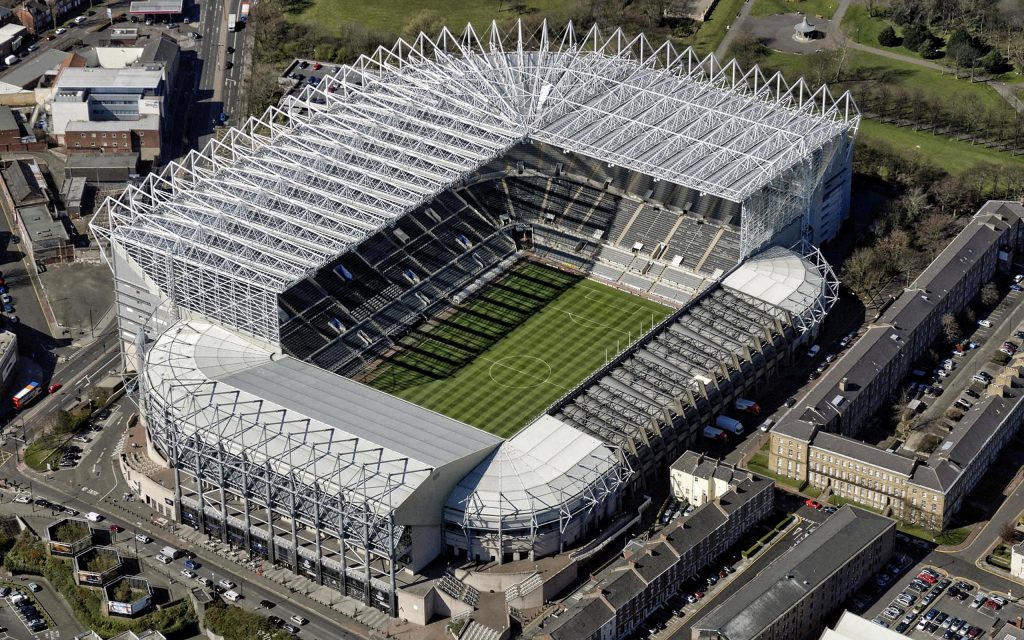
City: Newcastle, England
Capacity: 52,000
One of England’s oldest and most iconic stadiums, St James’ Park opened in 1892 and can host around 52,000 fans. With steep seating and a legendary East Stand, it offers incredible views of both the pitch and the city skyline. Known for its passionate Geordie supporters, the stadium delivers an unmatched match day atmosphere. After the match, fans can explore the vibrant Quayside, Castle Keep, and renowned local pubs.
6. Everton Stadium
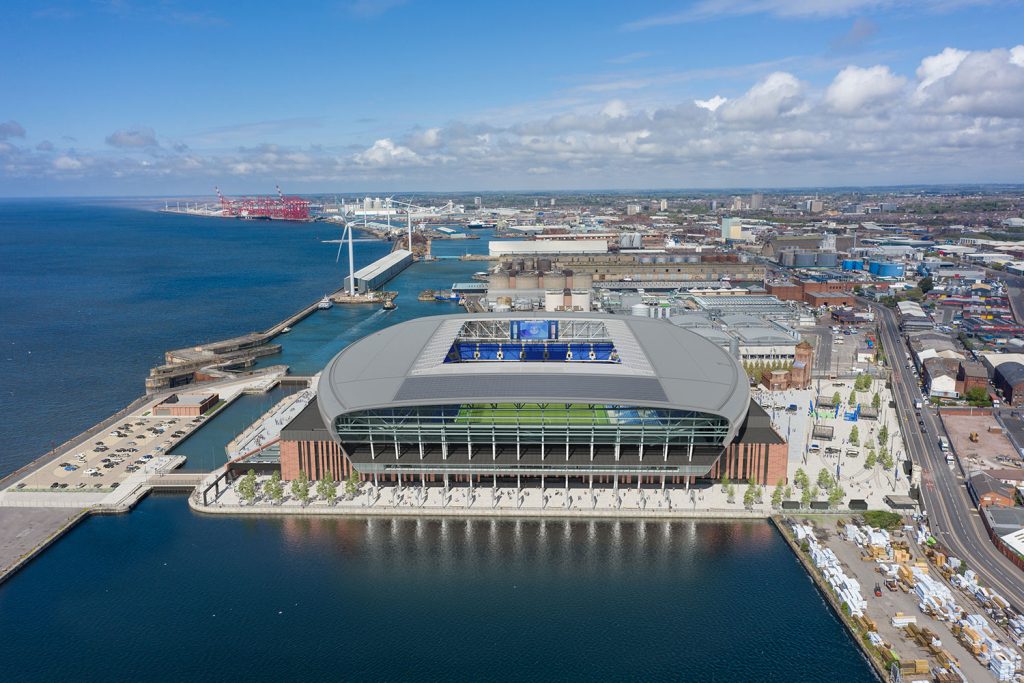
City: Liverpool, England
Capacity: 52,888
Currently under construction at Bramley-Moore Dock, Everton’s new stadium is expected to seat around 52,888 fans. Replacing Goodison Park, this modern waterfront venue will bring a unique vibe to match days. Set to open before Euro 2028, it will play host to exciting group stage matches. Situated in Liverpool—home to Everton and Liverpool FC—the city offers iconic attractions like The Beatles Story, Anfield, and Royal Albert Dock.
5. Etihad Stadium
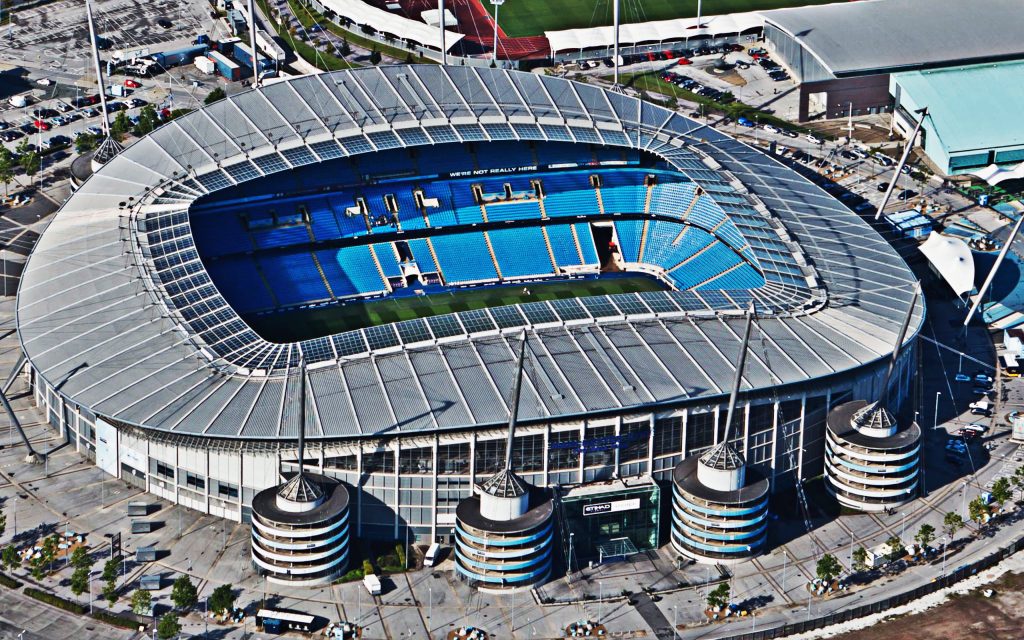
City: Manchester, England
Capacity: 53,000
Originally built for the 2002 Commonwealth Games, the Etihad Stadium became Manchester City’s home in 2003. With a current capacity of around 53,000 and plans for expansion, its modern design and excellent transport links make it highly accessible. Located near the City Football Academy and Etihad Campus, the venue sits within a city rich in football tradition, with the National Football Museum and Old Trafford nearby.
4. Villa Park

City: Birmingham, Englands
Capacity: 43,000
Even older than Hampden Park, Villa Park opened in 1897 and is home to Aston Villa. With a capacity nearing 43,000, it has hosted FA Cup semi-finals, England internationals, and European fixtures. The famous Holte End is known for its energy and heritage. Despite its age, the stadium is regularly updated and offers great transport links. Fans can enjoy Broad Street nightlife, the Birmingham Museum and Art Gallery, or shopping at the Bullring.
3. Principality Stadium
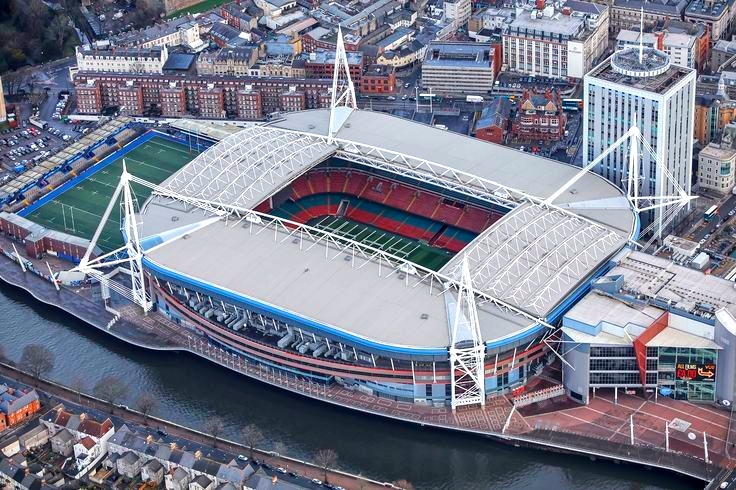
City: Cardiff, Wales
Capacity: 74,000
Previously known as the Millennium Stadium, the Principality Stadium opened in 1999 with a capacity of nearly 74,000. It was the first stadium of its kind to feature a retractable roof, enhancing both weather protection and acoustics. The stadium has hosted rugby, football, and Champions League finals. Located in Cardiff, fans can explore Cardiff Castle, Cardiff Bay, and the city’s lively pub scene.
2. Tottenham Hotspur Stadium

City: London, England
Capacity: 62,229
Opened in 2019, the Tottenham Hotspur Stadium is one of the most advanced stadiums in the world. Built for more than just football, its retractable pitch transforms it into a multi-sport arena. The South Stand alone holds over 17,500 fans, creating an intense atmosphere. With powerful acoustics, superb sightlines, advanced lighting, and immersive design, this stadium promises a top-tier experience. Fans can also enjoy a variety of dining options, pubs, and local culture.
1. Wembley Stadium

City: London, England
Capacity: 90,000
The iconic Wembley Stadium reopened in 2007 after the original was demolished in 2000. With a capacity of 90,000, it’s the UK’s largest stadium. Known for its famous arch, Wembley has hosted FA Cup finals, Champions League matches, and the Euro 2020 final. It features massive screens, premium hospitality, and excellent crowd management. Wembley will host the Euro 2028 semi-finals and final. Fans can enjoy nearby Wembley Park, Boxpark, or shop at London Designer Outlet.

 Beauty & The Game2 years ago
Top 10 Hottest Female Football Players in 2025
- Beauty & The Game2 years ago
Top 10 Hottest Football WAGs in 2025
- Top Stories2 years ago
Cristiano Ronaldo’s Car Collection: A $20 Million Dollar Fleet
- Stadiums2 years ago
2026 World Cup Host Cities & Stadiums – Full Updated List & Details
- Top Stories2 years ago
12 Football Records that will be never Broken
- Top Stories2 years ago
Lionel Messi Car Collection 2026: How Many Cars Does Messi Have?
- Top Stories2 years ago
Top 10 Most Expensive Football Trophies in the World (2026 Updated)
- Stadiums2 years ago
World’s Biggest Football Stadiums: A Look at the Future Giant in Morocco







Pingback: URL